K.I.H.M.I.
Kim Integrated Health Management Initiative
What We Do
A model of social solutions designed to mitigate the negative impact of rare diseases on patients, caregivers, and families, beyond the diagnosis.
The Kim Integrated Health Management initiative (KIHMI) mitigates the negative social impact of rare and orphan diseases on patients, families, and caregivers, beyond the diagnosis, by designing sustainable social solutions to improve the general well-being of communities.
We are committed to developing self-sustainable and resilient communities by actively engaging with the communities utilizing a Do No Harm mindset for social development. The development of a Do No Harm approach, takes a holistic approach and minimizes the “harm” community development has on the culture, economy, and general well being of individuals in a community.
Listening to stories from community members with a curious and reflective mind allows these stories to communicate root causes and possible solutions to community challenges, while building trust and relationships between the practitioners and the community.
Built into this concept of Do No Harm is also a commitment to sustainable and regenerative solutions. Projects with short-term goals that do not take into account how the “good” of the project can be supported and integrated into the community are inherently harmful. Our approach to community development is always through a “bottom up” lens to make sure the projects are woven into the social fabric of the community to ensure social sustainability.
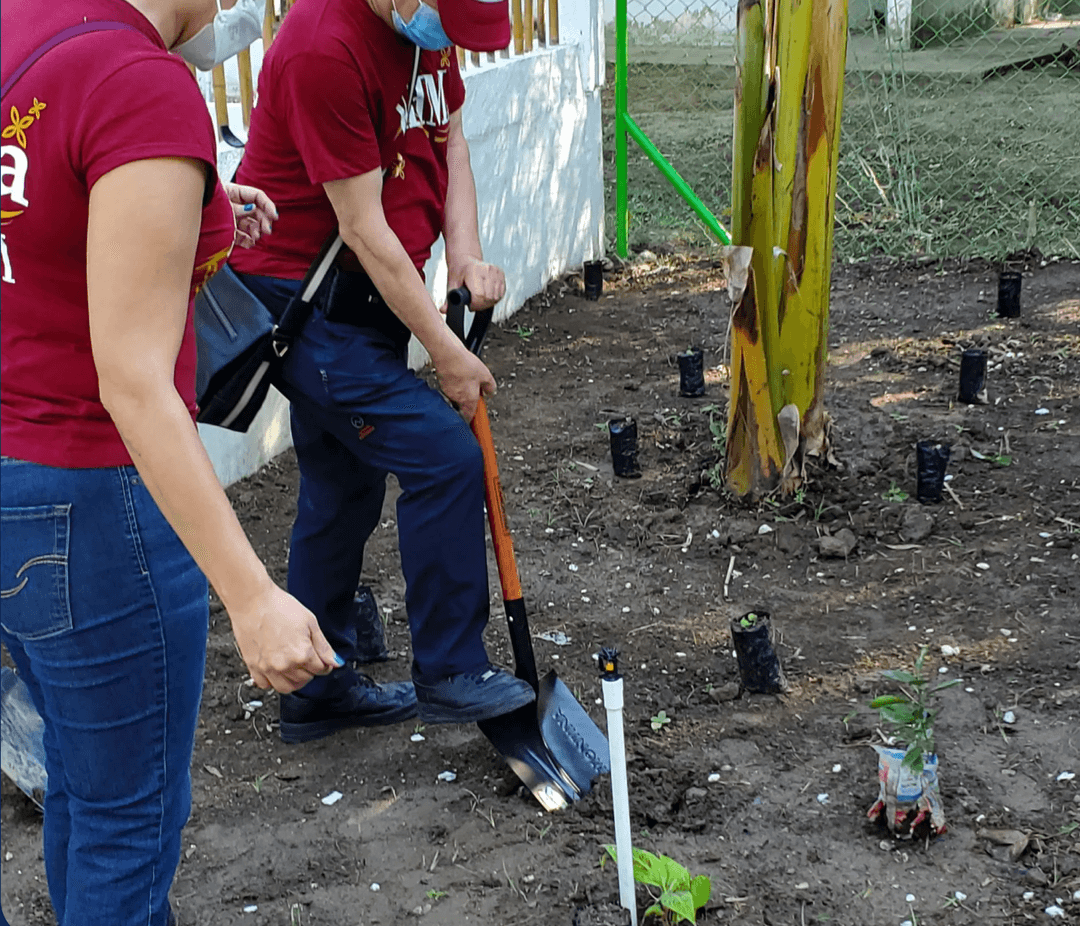
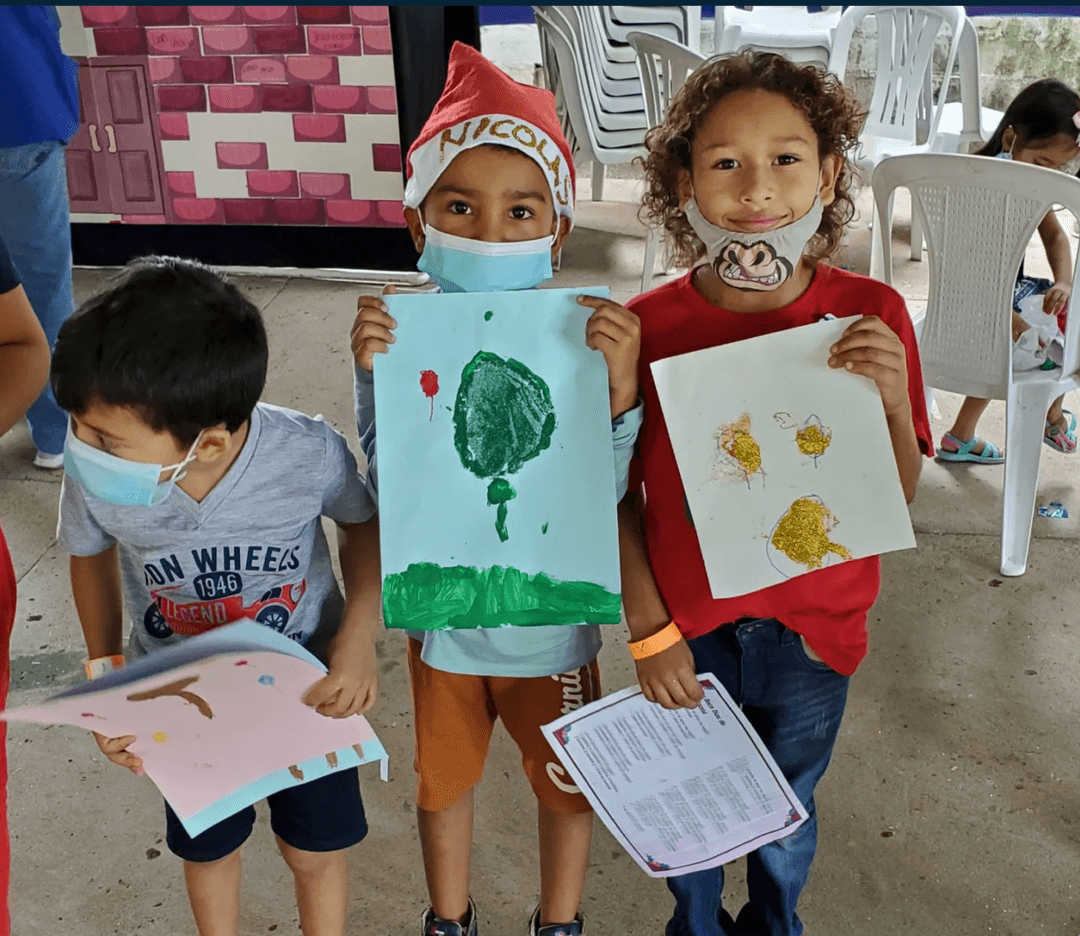
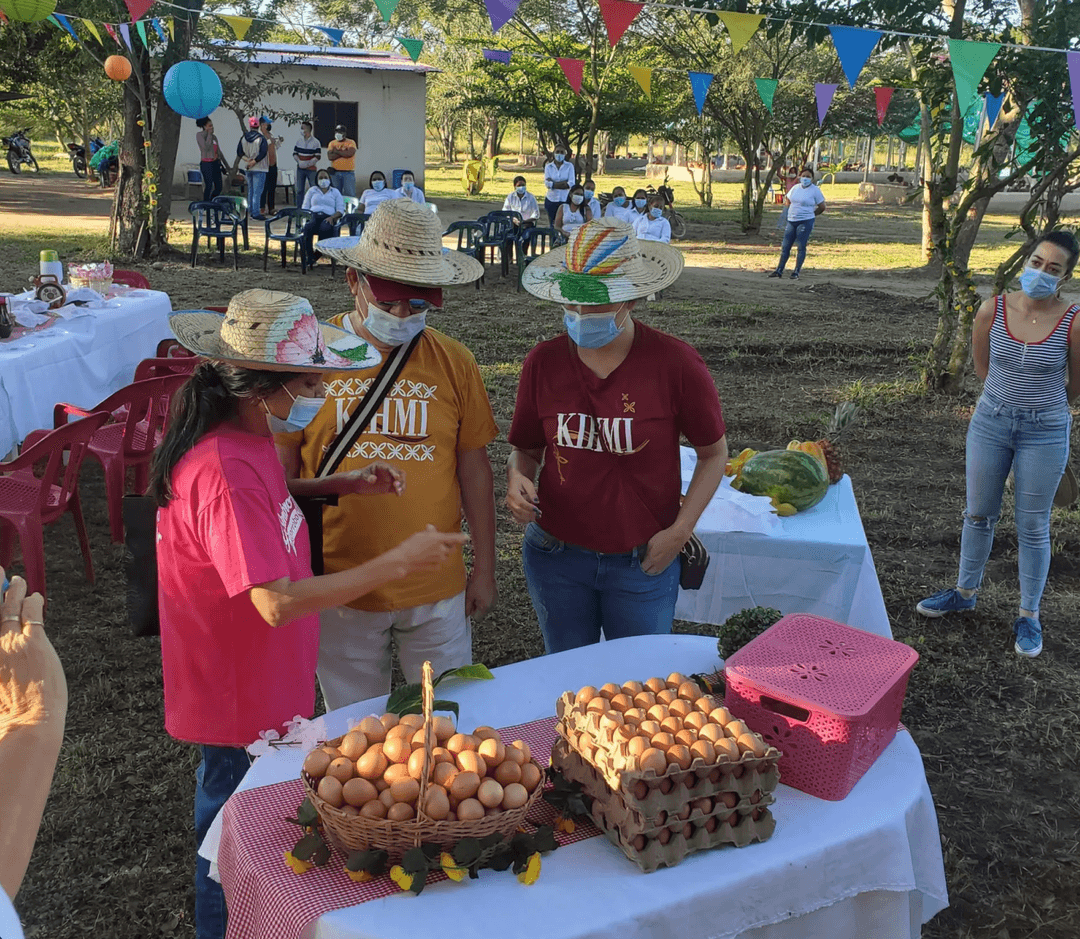
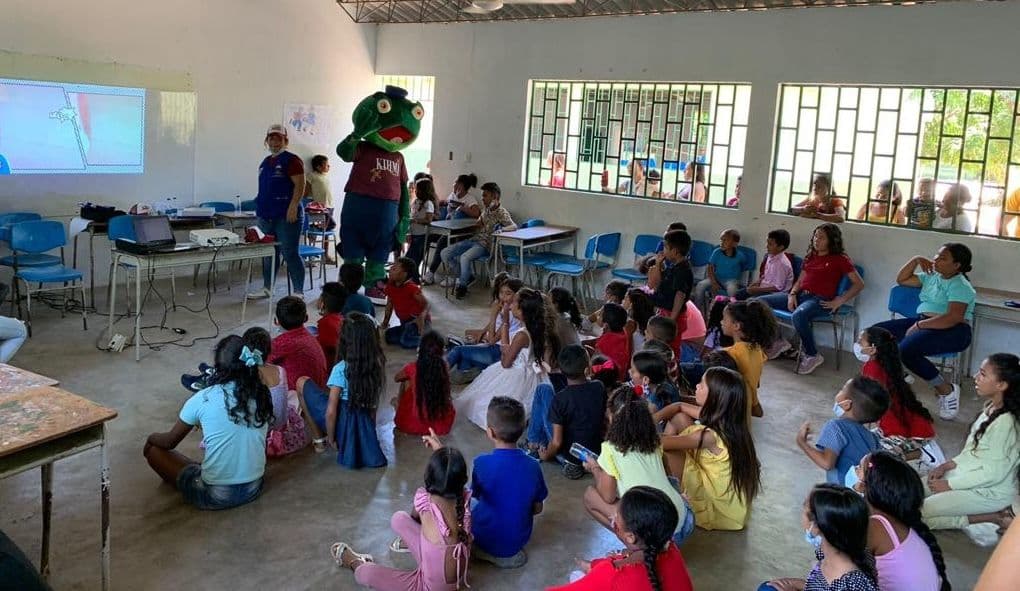
This initiative has four focus areas to improve social well-being in underserved and vulnerable communities: Health and Wellbeing, Infrastructure and Housing, Communication and Education, and Solidarity Economy and Sustainability. Under these four pillars, the following projects have been designed and implemented with AND for the community to ensure the Do No Harm mindset is woven into the social fabric.